
Most EV advice starts and ends with money.
Can you afford the payment? Does the fuel savings work? Will the tax credit apply?
Those matter. But they're not the only questions. And for some buyers, they're not even the most important ones.
You can afford an EV and still hate owning one. Not because the car is bad. Because your life doesn't fit how an EV wants to be used.
The real question isn't "can you afford it?" It's "can you use one well?"
The Difference Between Affording and Using
Affording an EV means the numbers work. Payment fits. Energy cost is lower. Maintenance is minimal.
Using an EV well means the car fits your routine without forcing you to change everything.
Home charging. Do you have a dedicated place to plug in every night? Not a shared garage wall outlet. Not a cord across the sidewalk. A place where charging is as automatic as turning off the lights.
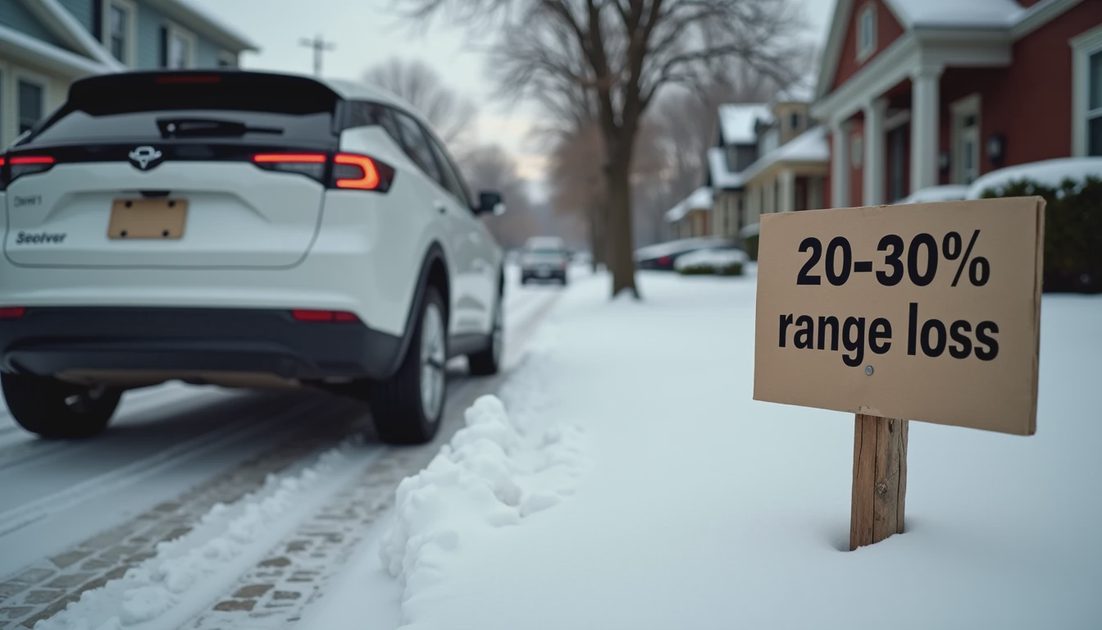
Cold weather tolerance. Can you handle 20 to 30 percent less range for three months of the year without anxiety? Not "can you technically still make it to work." Can you live with the reduced margin?
Charging patience. Are you okay with 20 to 40 minute charging stops on road trips? Not "can you tolerate it once a year." Can you accept it as part of the experience?
You can afford an EV and fail at all three of these. Then you own a car that annoys you every week. That's not a good purchase regardless of the spreadsheet.
The Home Charging Question
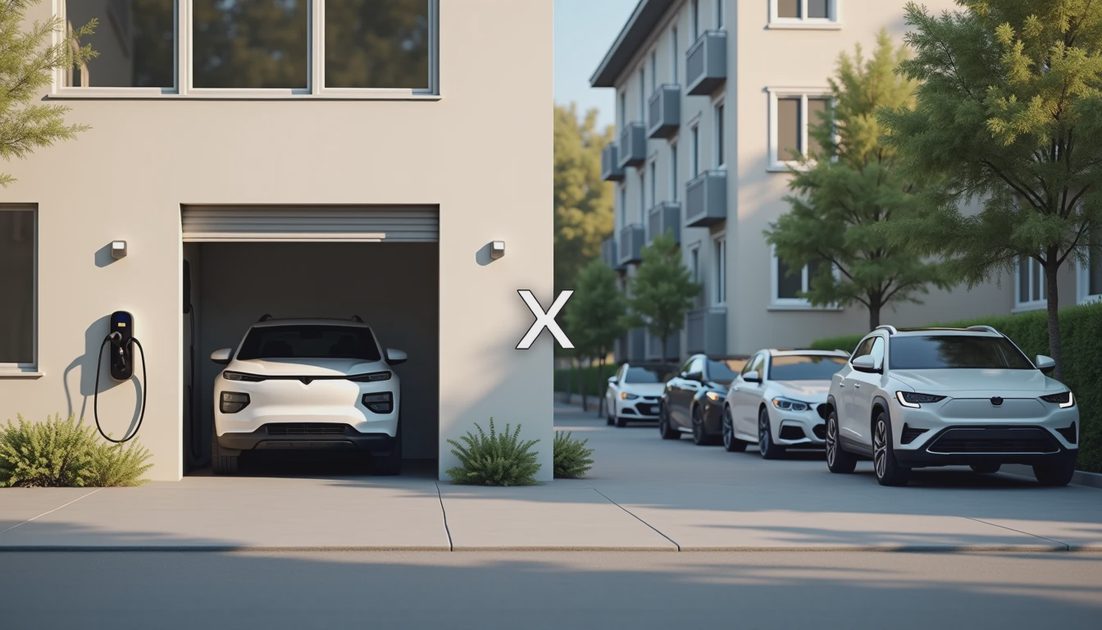
Home charging is the single biggest factor in EV happiness.
Not public charger availability. Not fast charging speed. Not range.
Home charging.
When you have it, the EV starts every day full. You never think about range for daily driving. You never visit a gas station. The convenience is genuinely better than gas.
When you don't have it, the EV becomes a logistics project. You plan your week around charger locations. You sit in parking lots. You check apps to see which stations are working.
I've watched two friends buy the same EV. One had a garage with a Level 2 charger. One parked on the street.
The first friend loves the car. Wants another one.
The second friend sold it within a year and bought a hybrid.
Same car. Same financial math. Completely different experience.
The difference wasn't affordability. It was usability.
The Cold Weather Reality
EVs lose range in cold weather. This is not a design flaw. It's physics. Batterions are less efficient when cold. Heating the cabin takes energy.
The question is whether your winter driving fits within the reduced range.
Here's what that looks like for different drivers.
Scenario | Rated Range | Winter Range (20% loss) | Daily Commute | Works? |
|---|---|---|---|---|
Suburb commuter | 250 miles | 200 miles | 40 miles | Easily |
Rural driver | 250 miles | 200 miles | 80 miles | Easily |
Long commuter | 250 miles | 200 miles | 120 miles | Close but fine |
Sales rep | 250 miles | 200 miles | 150 miles | Too close |
The suburban commuter never thinks about it. The sales rep thinks about it every day.
Now add in a detour. Or a forgotten phone at home. Or a need to run an extra errand.
The commuter has margin. The sales rep does not.
Being able to afford the EV doesn't make that margin appear. The car doesn't care about your budget. It cares about the temperature and your driving habits.
The Road Trip Test
Ask any EV owner about road trips. You'll get one of two answers.
"I don't road trip. The car is for commuting and errands."
Or: "I road trip a few times a year. I've learned to live with the charging stops."
Almost no one says "road trips are better in an EV." They're not. Gas cars win that category easily.
The question is whether you care.
If you drive 300 miles to visit family twice a year, can you add an extra 30 to 40 minutes each way for charging? Can you plan your route around charger locations that might be busy or broken?
If yes, the EV works. If the thought annoys you, the EV will annoy you twice a year, every year.
That's not a financial question. It's a patience question.
The Apartment Problem
Renters face the hardest usability challenge.
Even if your landlord allows EV charging, installing a charger in a rented apartment or shared garage is complicated. Permissions. Costs. What happens when you move.
Most renters without dedicated charging end up relying on public chargers. Which brings us back to the logistics project.
I'm not saying renters can't own EVs. Some do, successfully. They have workplace charging. Or they live near reliable public chargers. Or they drive low miles and charge weekly at a grocery store.
But the Venn diagram of "renters" and "happy EV owners" has a narrow overlap. The ones who make it work have a plan. The ones who assume it will work often end up selling the car.
What "Using Well" Looks Like
Here's what I've seen from EV owners who genuinely enjoy their cars.
They have home charging. Level 2. Every night. No exceptions.
They have a second car for long trips or they genuinely don't mind charging stops. Not "can tolerate." Genuinely don't mind.
They live in a climate where winter range loss is a number in a spreadsheet, not a daily anxiety.
They drive predictable routes. Commute. Errands. Kid shuttling. The car's range is more than enough for the maximum daily driving they actually do.
They don't think about chargers unless they're on a trip. Because they don't have to.
Notice how none of those are about the purchase price or the tax credit or the fuel savings.
Usability. Not affordability.
The Questions You Should Ask Yourself
Before you calculate another year of fuel savings, ask these questions first.
Do I have a dedicated place to charge at home? Not "can I find a public charger nearby." Do I plug in where I park every night?
How much do I drive on my busiest normal day, not my average day? The day you have to go to the office, pick up groceries, take a kid to practice, and visit a friend. Does the EV's winter range cover that with margin?
How do I feel about waiting? Not "can I technically wait 30 minutes for a charge." How do you actually feel when you have to sit and wait for something?
Do I take long road trips more than twice a year? If yes, am I genuinely okay with charging stops?
Am I renting? If yes, what is my specific plan for charging that does not rely on luck?
Answer these honestly. The spreadsheet doesn't know your patience level.