You walk onto a lot with a budget.
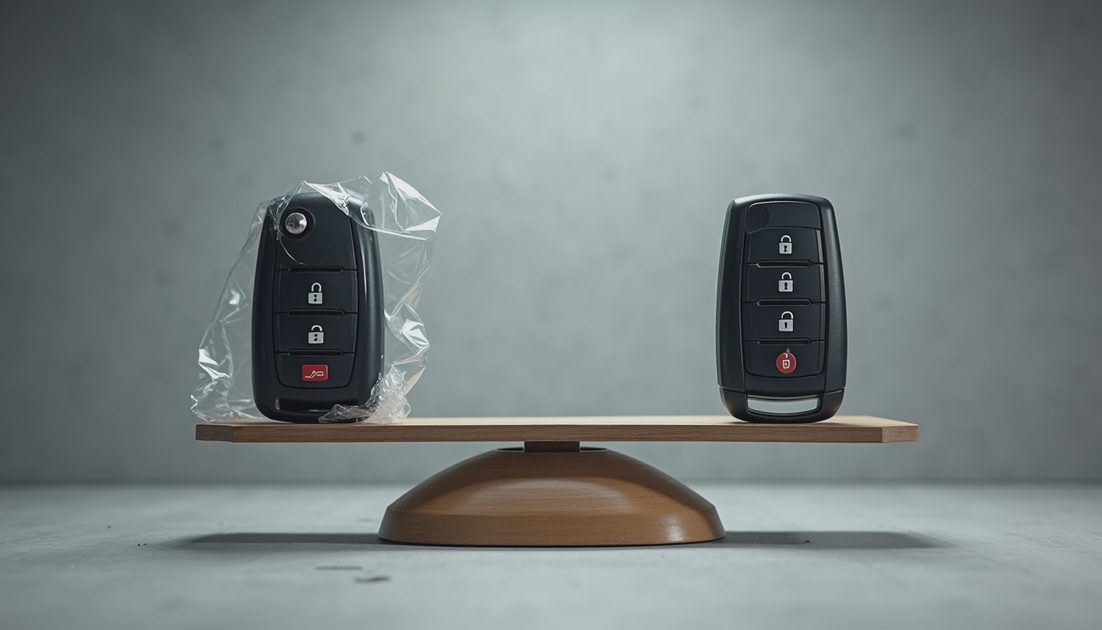
On one side, a new base model. Cloth seats. Small screen. No options. But it is new. Full warranty. Zero miles.
On the other side, a used car with higher trim. Leather. Better sound system. Heated seats. Sunroof. Same price as the new base model.
Which one is the smarter buy?
I have run this comparison more times than I can count. The answer is not always the same. But there is a clear pattern.
Here is what usually wins.
The Case for the New Base Model
A new car gives you things a used car cannot.
Full factory warranty. Everything is covered for three to five years depending on the brand. That is peace of mind you cannot buy on a used car.
Known history. No previous owner. No mystery maintenance. No hidden smells or strange noises that the seller forgot to mention.
The latest safety features. Even base models today come with automatic emergency braking, lane departure warning, and adaptive cruise control on many cars. Those features were optional or unavailable on cars from five years ago.
Financing advantages. New car loan rates are often lower than used car rates. Sometimes significantly lower.
Depreciation is worse on a new car. That is the trade-off. You pay more in depreciation to get the warranty, the history, and the safety features.
The Case for the Used Higher Trim
A used car with better trim gives you things a new base model cannot.
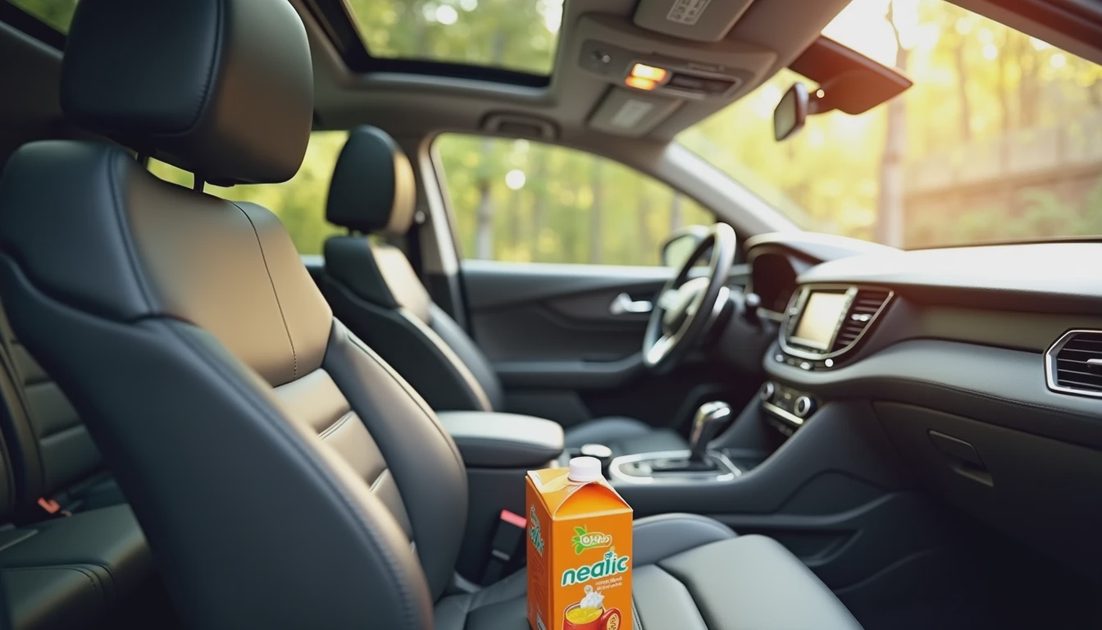
Leather seats that are easier to clean and more comfortable on long drives. Heated seats that warm up faster than cabin heat on cold Indianapolis mornings. A better sound system that makes your commute less boring. A sunroof that lets in light on gray winter days.
These features cost real money when new. On a used car, someone else paid for them.
The purchase price is similar to a new base model. Sometimes lower. But the original owner took the big depreciation hit. You are buying the car after the steepest part of the curve.
The car is usually two to four years old. That is not old. A well-maintained three-year-old car will easily last another ten years with proper care.
The Depreciation Difference
This is where the math gets clear.
A new car loses value the moment you drive it off the lot. Ten to fifteen percent in the first year. Another ten percent in year two. By year three, a new car has lost about thirty percent of its value.
A three-year-old used car has already taken that hit. The depreciation curve flattens significantly after year three.
The new car lost more value in the first three years. About $8,500 versus $6,000 for the used car. The gap narrows over time, but the new car owner always carries that extra depreciation.
If you sell after three years, the new car cost you more to own. If you keep the car for seven or eight years, the difference matters less.
What The Warranty Is Actually Worth
The new car warranty is valuable. But people overestimate it.
A three-year-old used car might still have some factory warranty left depending on the brand. Many manufacturers offer five-year powertrain warranties. That covers the expensive stuff even if the bumper-to-bumper has expired.
The major things that break on modern cars in the first three years are rare. Most cars are reliable. The warranty mainly covers small issues that would not cost much to fix anyway.
I am not saying the warranty has no value. I am saying the value is probably less than the extra depreciation you pay for a new car.
If you are buying a car with known reliability problems, the warranty matters more. For a Honda, Toyota, or Mazda, it matters less.
What The Features Are Actually Worth
The features on a higher trim are not just luxuries. Some of them make the car better to own.
Heated seats and steering wheel are genuine quality of life improvements in an Indianapolis winter. You will use them every day for four months.
Leather or leatherette seats clean up easily. Cloth seats stain. If you have kids, eat in your car, or spill coffee on your commute, the upgraded seats are easier to live with.
A better sound system improves every drive. You spend hours in your car. Good audio matters.
The question is whether these features are worth giving up the new car warranty and the known history. For many people, the answer is yes.
The Reliability Factor
Here is something I see people miss.
A three-year-old used car with average miles is not a risky purchase. Especially if it is a reliable model from a reliable brand.
The major problems that are going to show up on a car usually show up after 80,000 or 100,000 miles, not at 30,000 or 40,000. The three-year-old car is not at high risk of a major failure.
The maintenance history matters more than the age. A three-year-old car with documented oil changes and service records is a known quantity. A new car is also a known quantity. The difference in risk is smaller than people assume.
When New Base Model Wins
New makes sense in specific situations.
You plan to keep the car for seven years or more. The extra depreciation gets spread out over a longer period. The cost difference per year becomes smaller.
You want the latest safety tech. Blind spot monitoring and rear cross traffic alert were optional a few years ago. On many base models today, they are standard.
You are financing and the new car rate is much lower than the used car rate. A two or three point difference in APR adds up over a five year loan.
You have anxiety about previous owners. Some people cannot stop thinking about whether the previous owner took care of the car. That peace of mind has value even if the math does not fully support it.
When Used Higher Trim Wins
Used higher trim makes sense in more situations.
You care about features and comfort. The better seats, sound system, and heated options improve your daily experience. A new base model feels like a penalty box after driving a well-equipped used car.
You sell your cars every three to five years. The used car will cost you less in depreciation over that period. Sometimes significantly less.
You are paying cash or the used car loan rate is competitive. The financing gap between new and used has narrowed. Some credit unions offer similar rates for both.
You are buying a reliable model from a reliable brand. The warranty difference does not matter much when the car is unlikely to break.
A Real Example
I compared a new base model Honda Civic and a three-year-old Honda Civic EX-L with 36,000 miles. Same generation. Same drivetrain.
New base Civic. Cloth seats. Smaller screen. No sunroof. No heated seats. Price with destination and tax: $27,000.
Used Civic EX-L. Leather. Sunroof. Heated seats. Better sound system. Price: $25,000.
The used car cost less upfront. It had lower annual depreciation. The features were significantly better. The only thing the new car had was a full warranty and zero miles.
I recommended the used car. The features and lower depreciation won. The warranty on the used car still had two years of powertrain coverage left.
The buyer kept the car for four years and sold it for a good price. Never had a repair. Never regretted skipping the new base model.