
I wanted to stop guessing.
For months, I'd been telling people "it depends" when they asked which type of car cost less to own. Gas. Hybrid. EV. Everyone has an opinion. Few people have numbers that actually fit a real driver.
So I built a model.
Four years. Three cars. One real-world Indianapolis driver profile. I used actual prices. Actual fuel costs. Actual insurance quotes. Actual maintenance schedules.
The results surprised me. Not because I was wrong before. Because I'd never stacked them side by side like this.
Here's what the model looked like and which car came out ahead.
The Contenders
I picked three vehicles that a normal buyer might reasonably choose. Same class. Similar size. All three years old with 36,000 miles at purchase.
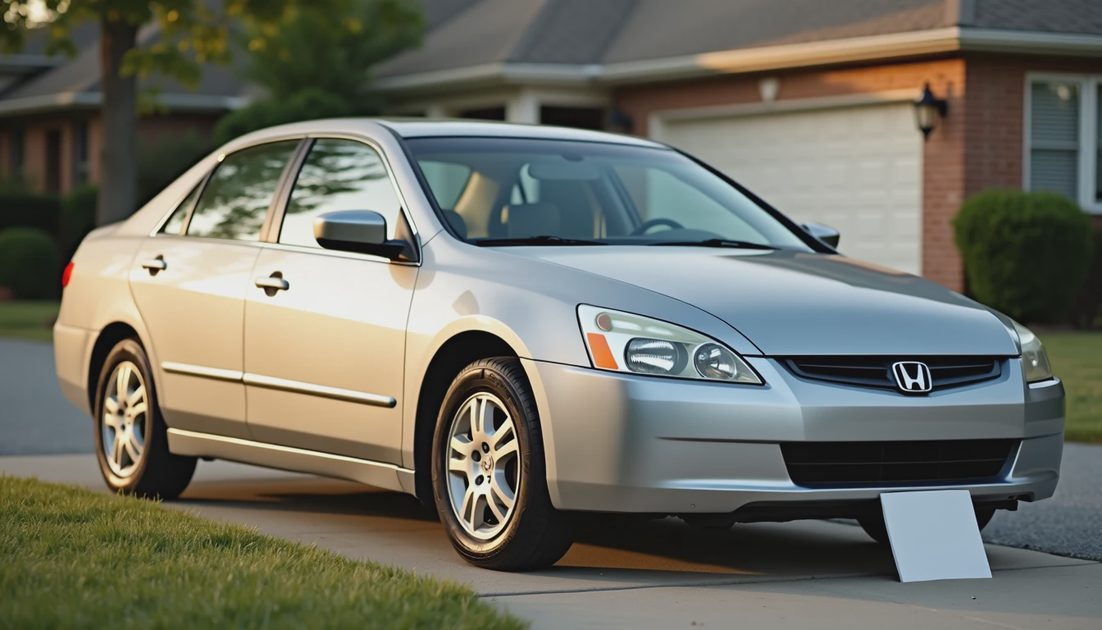
Gas: Honda Civic LX. Reliable. Efficient. Low maintenance. The benchmark for sensible gas car ownership.
Hybrid: Toyota Corolla Hybrid. Same class as the Civic. Significantly better fuel economy. Small price premium over gas.
EV: Tesla Model 3 Standard Range. The most common EV in its class. Good efficiency. Established charging network.
All three were priced as used vehicles in the Indianapolis market. No tax credits applied because these were used cars.
The Driver Profile
I built the model around a specific driver. Not an average. A real person.
Annual miles: 14,000
Commute: 40 miles round trip, 5 days per week
Home charging available for EV (Level 2)
Winter range loss for EV: 20 percent for 4 months
All maintenance done at independent shops, not dealers
Ownership period: 4 years
Resale value estimated based on current market trends
No extreme assumptions. No best-case scenarios. Just realistic numbers for an Indianapolis driver who parks in a garage and drives a normal amount.
The Cost Breakdown
Here is what the four-year total cost looked for each car. Purchase price minus resale value, plus all operating costs.
Cost Category | Honda Civic (Gas) | Toyota Corolla Hybrid | Tesla Model 3 (EV) |
|---|---|---|---|
Purchase price (used) | $21,000 | $23,000 | $30,000 |
Estimated resale after 4 years | $13,000 | $14,500 | $17,000 |
Depreciation cost | $8,000 | $8,500 | $13,000 |
Fuel/energy (4 years) | $6,850 | $4,570 | $2,500 |
Maintenance (4 years) | $1,600 | $1,600 | $600 |
Insurance (4 years) | $5,200 | $5,200 | $6,800 |
Registration (4 years) | $400 | $400 | $800 |
Tires (one set) | $550 | $550 | $800 |
Total operating cost | $14,600 | $12,320 | $11,500 |
Total cost (depreciation + operating) | $22,600 | $20,820 | $24,500 |
Why the Hybrid Won
The hybrid hit the sweet spot on every line.
Depreciation was slightly higher than gas but not by much. Hybrids hold value well.
Fuel cost was meaningfully lower than gas. About $2,300 less over four years. That's real money.
Maintenance was the same as gas. No surprises. No expensive hybrid-specific repairs in the first four years.
Insurance was the same as gas. No EV premium.
The hybrid didn't win any single category by a huge margin. It won by being good enough at everything. No weaknesses. No expensive surprises.
Why the EV Came Third
The EV had the lowest operating cost. By a lot.
Fuel was 2,500 compared to2,500comparedto6,850 for gas. Maintenance was 600 compared to600comparedto1,600. Those are big differences.
But the EV started with a much higher purchase price. 30,000 versus30,000versus21,000 for the gas car.
That $9,000 gap was too large for the operating savings to overcome in four years.
The EV also had higher insurance and registration costs. About $1,600 more combined over four years than the gas car. And tires cost more.
Here's what surprised me. Even with home charging and average annual miles, the EV needed more than four years to break even against the hybrid. The math works better at five or six years. At four years, the upfront premium still dominates.
What Would Change the Result
I ran the model again with different assumptions. Some scenarios changed the winner.
Scenario | Winner | Why |
|---|---|---|
Base model (14k miles, home charging) | Hybrid | Balanced costs, no weaknesses |
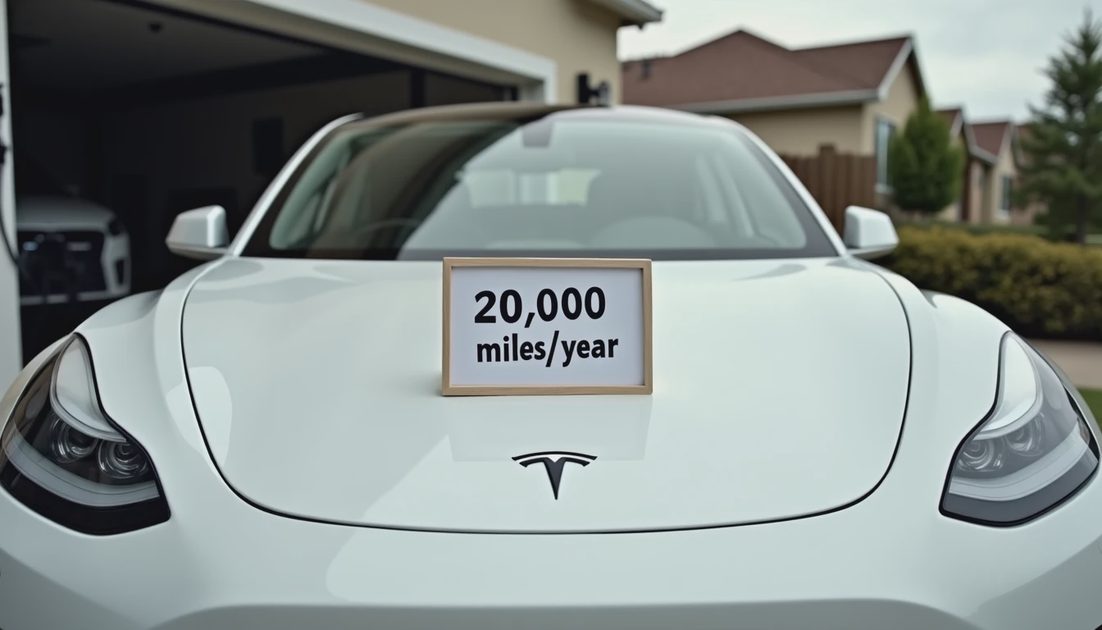
20,000 miles per year | EV | Fuel savings grow fast enough to overcome higher purchase price |
No home charging (public fast charging only) | Hybrid | EV energy cost doubles, destroying operating advantage |
8,000 miles per year | Gas | Lower upfront cost wins; fuel savings are too small to matter |
6-year ownership instead of 4 | EV | Break-even happens between year 4 and 5; EV pulls ahead after that |
Higher gas price ($5.00 per gallon) | EV | Fuel savings gap widens significantly |
Lower EV purchase price ($25,000 used) | EV | Tighter race, but EV wins by year 4 |
The winner depends on your specific situation. The hybrid is the safest pick for most drivers. The EV wins for high-mileage drivers who keep cars long and charge at home. The gas car wins for low-mileage drivers who want the lowest upfront cost.
What This Model Doesn't Capture
Numbers aren't everything. My model left out a few things on purpose.
Convenience. Home charging is genuinely nice. Public charging is genuinely annoying. The model can't value that for you.
Driving experience. Some people prefer how an EV drives. Some prefer a hybrid. The model treats all cars as appliances. You might not.
Charging anxiety. Even with home charging, some drivers worry about range. That stress has a cost even if the dollars work.
Cold weather confidence. The model assumed 20 percent range loss for four months. It didn't assume the feeling of watching your range estimate drop faster than expected on a February night.
These matter. They just don't fit in a spreadsheet.
How to Build Your Own Model
You don't need my assumptions. You need yours.
Start with four numbers. Purchase price. Estimated resale value in your ownership period. Annual fuel or energy cost. Annual maintenance and insurance estimates.
Then add the one-time items. Tires. Major services. Registration.
Add everything. Subtract resale value. Divide by years.
That's your annual cost. Not your payment. Your cost.
My model showed what wins for a specific driver in Indianapolis. Your model will show what wins for you.