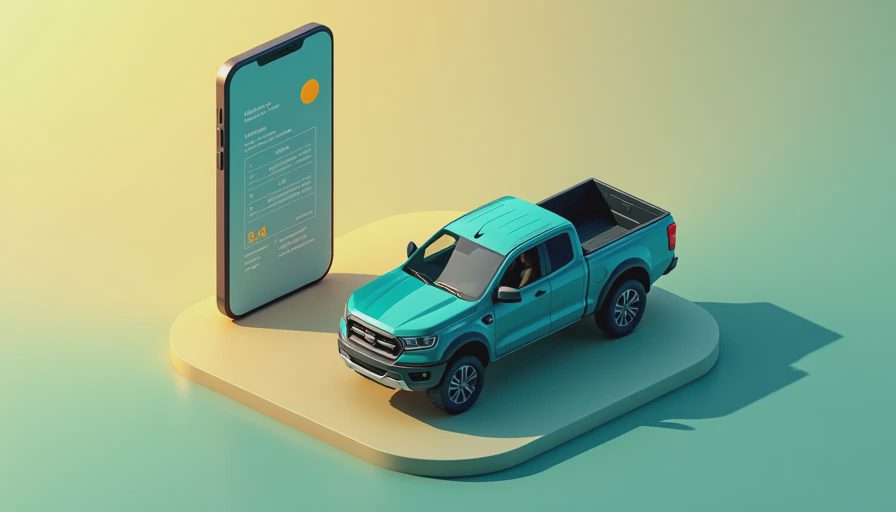
Let’s be honest: most pickup truck purchases start in the gut, not the spreadsheet. You want the highway presence, the towing capacity, the bed you might use three times a year. That’s fine—but if the numbers don’t work, the truck doesn’t work. This pickup truck buying guide walks through the dollars and cents that actually matter over five years of ownership. No brand worship, no lifestyle fluff. Just the math.
New vs. Used: Where the Depreciation Math Lands
A new truck loses 20–25% of its value in the first two years. That’s $8,000–$12,000 evaporated on a $50,000 F-150. Meanwhile, a three-year-old truck with 40,000 miles is often still under factory warranty and costs about 30% less than new. If you plan to keep the truck for a long time, used makes more sense. If you plan to trade in three years, new is a worse deal. Look at models that hold value well—Toyota Tundras and Ford F-250 diesels tend to depreciate slower than Ram 1500s. Run the numbers before you set foot on a lot.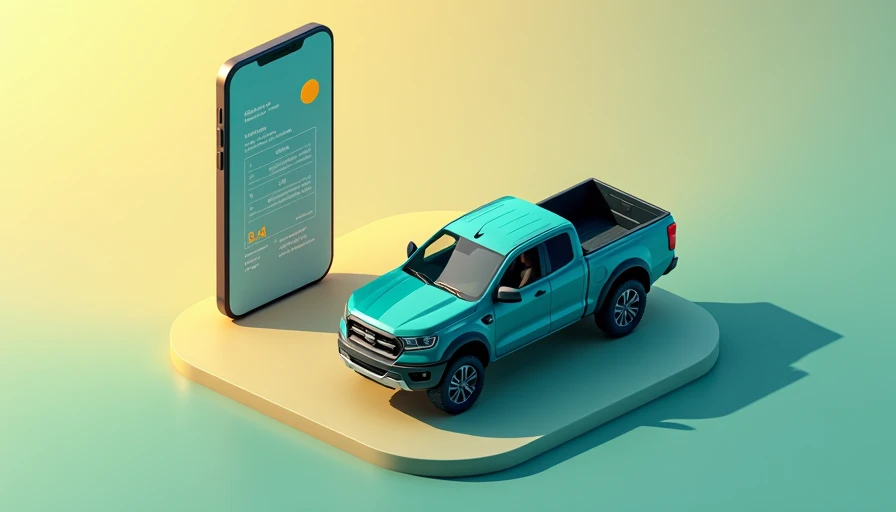
Engine Choice: Is a V8 Worth the Fuel Cost?
Truck engines have changed. The 3.5L EcoBoost V6 in Ford’s lineup puts out 400 hp and 500 lb-ft while getting roughly 20 MPG combined. A 5.0L V8 makes similar power but gets 17 MPG. Over 15,000 miles a year at $3.50 per gallon, that’s a $263 annual difference. Not huge, but over six years it’s over $1,500. If you tow heavy loads (over 8,000 lbs), the diesel option may be worth it—but only if you actually tow that much. Most drivers don’t. Paying $8,000 extra for a diesel you rarely use is just a burn.
Crew Cab vs. Regular Cab: Real-World Space Needs
I see guys buy a crew cab because it looks sharper, then complain about parking and bed length. A regular cab with an 8-ft bed is more practical for hauling plywood and costs $3,000–$5,000 less. But if you carry passengers more than twice a month, the extra space matters. Be honest about your average load. If it’s just you and a dog, save the money. If you’re carpooling, the crew cab is a legit need, not a luxury.
Insurance Costs: An Overlooked Owner Expense
Full coverage on a new $55,000 truck runs $1,600–$2,200 a year in most states. High trim levels increase repair costs after an accident. For example, the Ford F-150 Limited with all the sensors costs about 25% more to insure than a base XL because parts replacement is pricier. Before you sign, get quotes on both trims. Sometimes stepping down one trim level saves $30 a month on insurance alone. That’s $1,080 over three years, which covers a set of good all-terrain tires.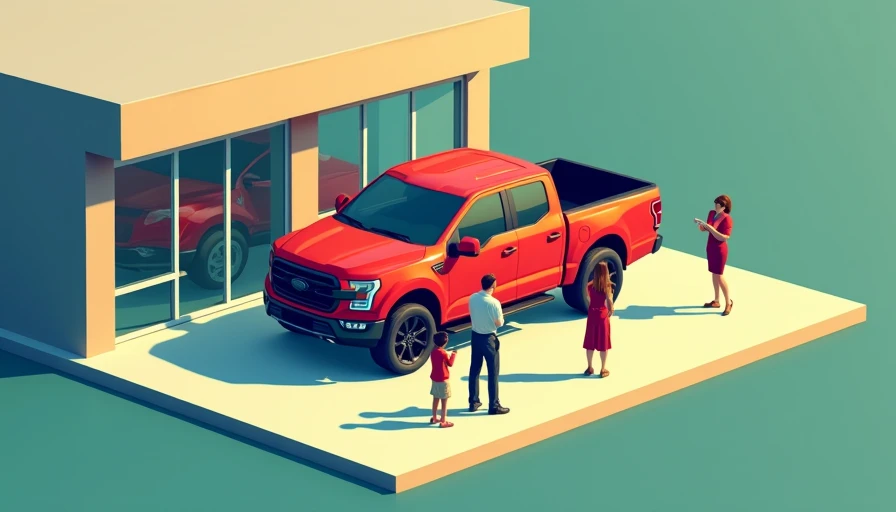
The Bed and Payload: Don’t Overbuy
Many trucks can carry over 1,500 lbs in the bed, but the average owner hauls less than 500 lbs. A half-ton truck handles that easily. Heavy-duty trucks (2500/3500) ride stiffer, cost more, and get worse MPG. Unless you are towing a 10,000-lb trailer weekly, stick with a half-ton. The same goes for four-wheel drive. If you never leave pavement, a 2WD truck saves about $3,000 upfront and gets 1–2 MPG better. Only pay for capability you will actually use.
Financing: How to Avoid Overpaying on Interest
Many buyers focus on the monthly payment rather than the total interest paid. A $45,000 loan at 6.9% for 72 months costs about $8,400 in interest. Stretch that to 84 months and you pay over $10,500 in interest, plus you’re underwater longer. If you can qualify for a credit union rate around 5%, the same loan saves $2,000 over its life. Also, never roll negative equity from a trade-in into the new loan. That $5,000 you owe on the old truck gets added to the new loan, and you end up paying interest on that too for 6 more years. A down payment of 20% avoids private mortgage insurance-like costs on the loan and keeps you from being upside down. Always get pre-approved so the dealer’s financing offer is competitive, not a markup.
The Bottom Line: The Right Truck for Your Budget
A pickup truck buying guide can’t pick the exact model for you, but it can steer you away from expensive decisions. Here is the quick checklist:
- Buy used (2–3 years old) unless you keep vehicles for 10+ years.
- Choose the smallest engine that meets your towing needs.
- Skip the top trim unless the features save you money (like a spray-in bedliner vs. aftermarket).
- Get insurance quotes before you buy.
- If you don’t need 4WD, don’t buy it.
Follow those rules, and your pickup will save you thousands over the next five years. Ignore them, and you’ll be making payments on a truck that doesn’t fit your real life. If the numbers don’t work, the truck doesn’t work.