
Let me tell you what most car content does.
It tells you how a car feels. How it looks. How fast it goes from 0 to 60 — a number you will use approximately never.
Then it ends with a soft recommendation. "If you can afford it, this is a great option."
That's not advice. That's a shrug.
The question almost nobody answers
Here's what I actually want to know before I buy a car:
What is this going to cost me, total, over the time I own it?
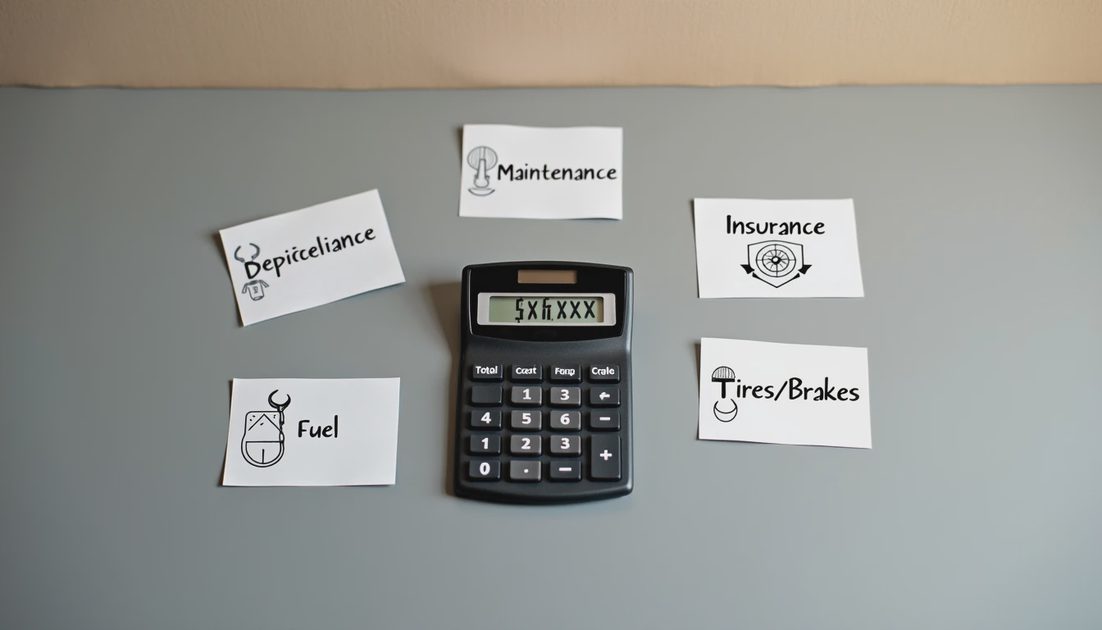
Not the monthly payment. Not the sticker price. The real number. The one that includes depreciation, maintenance, repairs, insurance, fuel or electricity, and the silent costs like tires and brake jobs that always show up at the worst time.
Most car reviews don't answer that because they can't. They drove the car for a week. They didn't pay for its second set of tires. They won't be there when the transmission starts acting up at 85,000 miles.
I've owned seven cars. I've tracked every dollar on six of them. I've made expensive mistakes — overpaying, selling at the wrong time, underestimating what an old luxury car really costs to keep on the road.
And I learned that the best looking car on paper is sometimes the worst financial decision you can make.
Why this blog is different
I'm not a journalist. I'm not a mechanic. I'm not trying to sell you a feeling.
I'm a procurement analyst. My job is to compare costs, find the hidden ones, and tell you whether a deal actually works.
I do the same thing here.
Every car I write about gets run through the same framework:
Purchase price (realistic, not MSRP fantasy)
Depreciation curve — when to buy, when to walk, when to sell
Maintenance and repair math based on real owner data
Insurance estimates by model, not guesses
Fuel or energy cost by actual miles driven
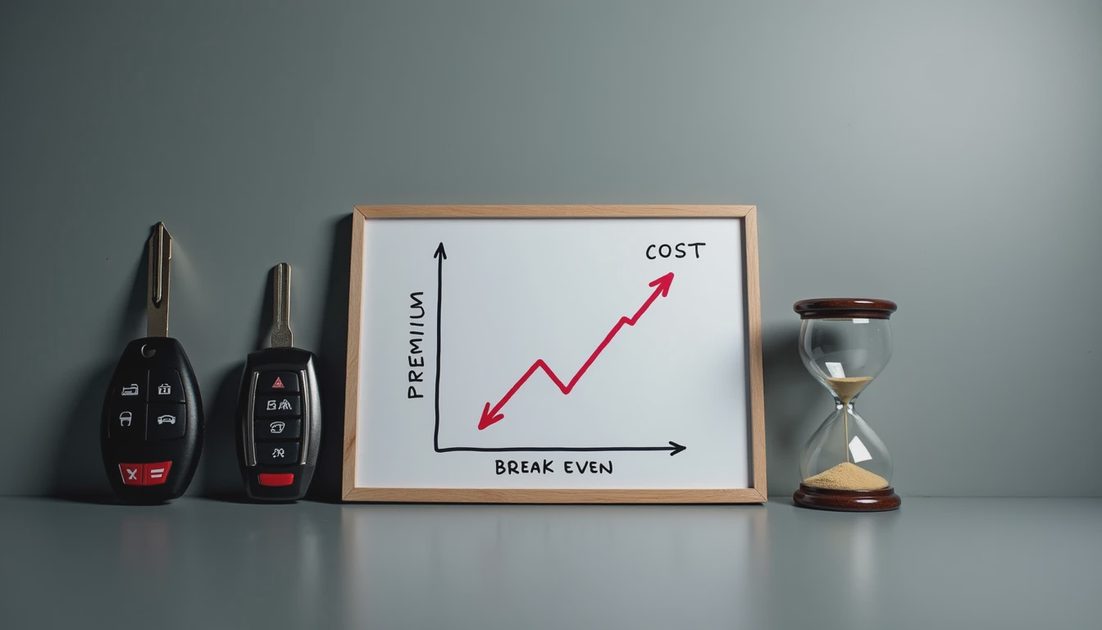
The break-even point where one car becomes cheaper than another
No brand loyalty. No hype. No fake "hacks" that save you $40 but cost you a Saturday.
Just a yes or a no. And if it's a maybe, I'll tell you exactly what needs to change.
The one rule
If the numbers don't work, the car doesn't work.
That's it.
I don't care if it's a classic. I don't care if it's the top trim. I don't care if your neighbor has one and loves it.
The math doesn't have feelings. Neither do I — about cars, anyway.
Who this is for
This is for people who want to make a smart decision with their money.
Maybe you're buying your first car. Maybe you're replacing one that's costing you too much. Maybe you're wondering if switching to an EV actually saves you anything in Indianapolis, where winters are cold and chargers aren't everywhere.
I'm not here to tell you what to drive. I'm here to tell you what it will cost. Then you decide.
Who this is not for
If you want to be told that every $60,000 truck is a "smart investment" because it holds value well — you're in the wrong place.
If you believe a particular brand can do no wrong — you're going to get annoyed here.
If you think leasing is always stupid or always smart, without looking at the numbers — we have work to do.
What comes next
I'll post breakdowns on specific cars. Comparisons between new and used, gas and electric, buy and lease. Deep dives on costs that surprise people — depreciation on luxury sedans, maintenance on older hybrids, insurance differences between models that look identical on paper.
And I'll answer questions. If you're looking at a car and want to know if the numbers work, send me the listing and your situation. I'll run it.
No fluff. No filler. Just the math.
If the numbers don't work, the car doesn't work.