
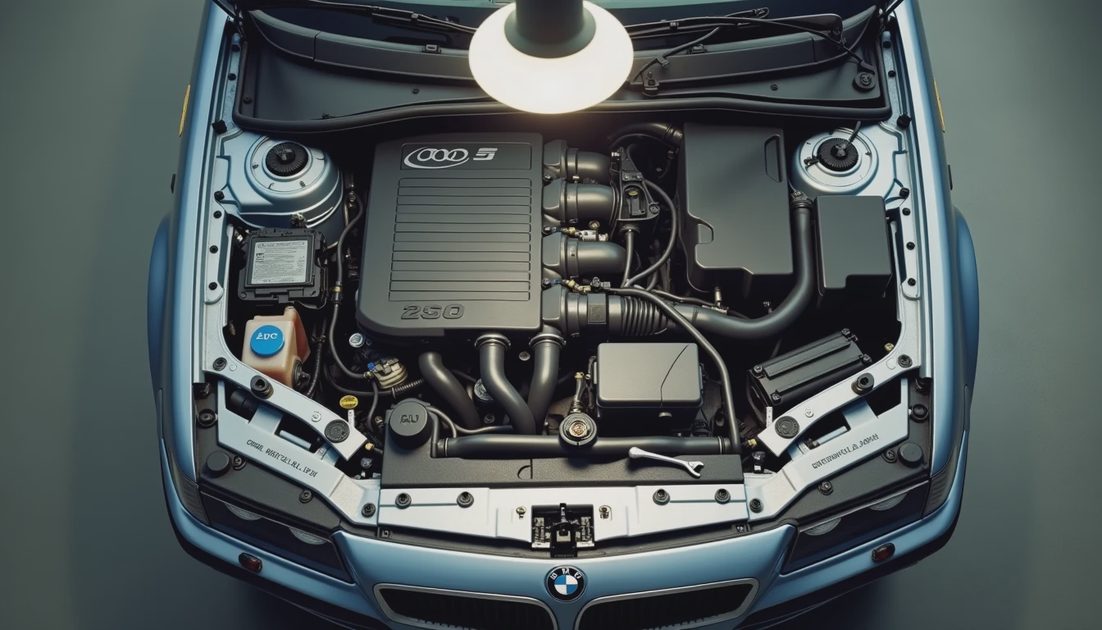
I see it all the time.
Someone has a budget. They want to look like they spent more than they did. So they buy the oldest, highest-mileage luxury car they can find.
German sedan. British SUV. Italian anything.
The badge says expensive. The price says affordable. The buyer thinks they found a shortcut.
They didn't. They just bought someone else's expensive problems.
Here's why a badge is not a budget strategy.
The Purchase Price Trap
Luxury cars depreciate faster than mainstream cars. Much faster.
But depreciation doesn't stop at the purchase. It just slows down. And the costs that come with the badge don't depreciate at all.
Here's what a typical luxury car looks like compared to a mainstream car at the same used price point.
Cost Category | 7-Year-Old Luxury Sedan | 3-Year-Old Mainstream Sedan |
|---|---|---|
Purchase price | $18,000 | $18,000 |
Annual maintenance | 1,200 to1,200to2,000 | 400 to400to600 |
Tire replacement | 1,000 to1,000to1,500 | 600 to600to800 |
Brake job | 800 to800to1,200 | 400 to400to600 |
Insurance (annual) | 1,400 to1,400to1,800 | 1,000 to1,000to1,300 |
Common repair cost | 1,500 to1,500to3,000 | 500 to500to1,000 |
Same purchase price. Very different ownership cost.
The luxury car doesn't know you bought it cheap. It still demands luxury car maintenance. Luxury car parts. Luxury car labor rates.
What You're Actually Paying For
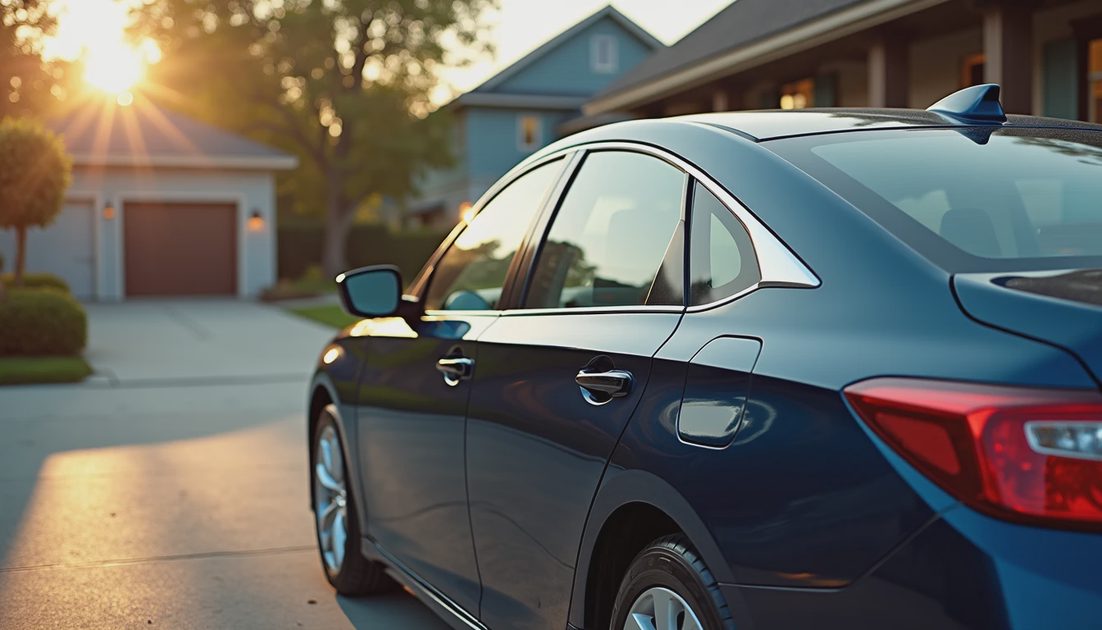
When you buy a used luxury car, you're buying a car that was designed for someone who could afford it new.
That means complex systems. Adaptive suspension with air springs and electronic dampers. That's expensive when it leaks.
That means tight engine bays where a simple repair takes twice as long. Labor hours add up.
That means parts from Germany or Sweden or England. Shipped across an ocean. Priced accordingly.
That means specialized tools and diagnostic software. Not every shop has them. The ones that do charge for the investment.
The original owner paid for the badge and the engineering. The second owner pays for the maintenance and the repairs.
Don't confuse the two.
The Math on a Real Example
I looked at two sedans recently. Same year. Similar mileage. Similar purchase price.
One was a mainstream brand. One was an entry-level luxury brand.
Here's what the five-year cost comparison looked like.
Cost Category | Mainstream Sedan | Luxury Sedan |
|---|---|---|
Purchase price | $19,000 | $20,000 |
Maintenance (5 years) | $2,200 | $6,500 |
Tires (one set) | $650 | $1,200 |
Insurance (5 years) | $5,500 | $8,000 |
Estimated resale value | $8,000 | $6,000 |
Total cost after resale | $19,350 | $29,700 |
The luxury car cost ten thousand dollars more to own over five years. Same purchase price.
That's not a good deal. That's an expensive car wearing a disguise.
The Exception That Proves the Rule
Some luxury cars are more reliable than others. Some have lower maintenance costs. Some depreciate less.
But here's the pattern I've seen after running this comparison multiple times.
Lexus and Acura (the Japanese luxury brands) come closest to mainstream ownership costs. Parts availability is better. Reliability is strong. Many independent shops work on them.
German luxury cars (BMW, Mercedes, Audi) are the most expensive to maintain out of warranty. Parts cost more. Labor takes longer. Specialized knowledge is required.
British and Italian luxury cars are in their own category. Purchase price can be tempting. Ownership cost can be brutal.
If you're determined to buy a used luxury car on a budget, stick with Japanese. And still budget significantly more than you would for a mainstream car.
What the Badge Actually Gets You
I'm not saying luxury cars are bad. They're not.
Better noise insulation. Smoother rides on good pavement. More powerful engines. Nicer interior materials. Features that weren't available on mainstream cars five years ago.
Those things have value. The question is whether they have enough value for you.
If you genuinely want a quieter highway cruiser and you're willing to pay for the maintenance, that's a choice. Not a trick. A choice.
If you just want people to think you have more money than you do, that's a different choice. And it's an expensive one.
The Questions I Ask
Before I buy any used luxury car, I ask myself four questions.
Do I have cash set aside for a repair that could cost a significant portion of the purchase price? Not a loan. Cash.
Have I looked up the cost of common repairs for this specific model? Not averages. Real parts prices and labor times.
Is there an independent shop near me that specializes in this brand? The dealer labor rate will make the math worse.
Am I buying this for me or for other people? The second answer costs more.
If I can't answer all four honestly, I walk away.
A Better Budget Strategy
Here's what I recommend instead of the old luxury car trap.
Buy the highest trim level of a mainstream car you can afford.
A top-trim Honda Accord or Toyota Camry or Mazda 6 has leather. Heated seats. Good sound system. Modern safety tech. Apple CarPlay and Android Auto.
It also has mainstream maintenance costs. Readily available parts. Shops on every corner that know how to work on it.
And nobody looks at a top-trim mainstream car and thinks "that person is struggling." They just see a nice car.
You get most of the features. None of the headaches. And a better total cost number at the end.