
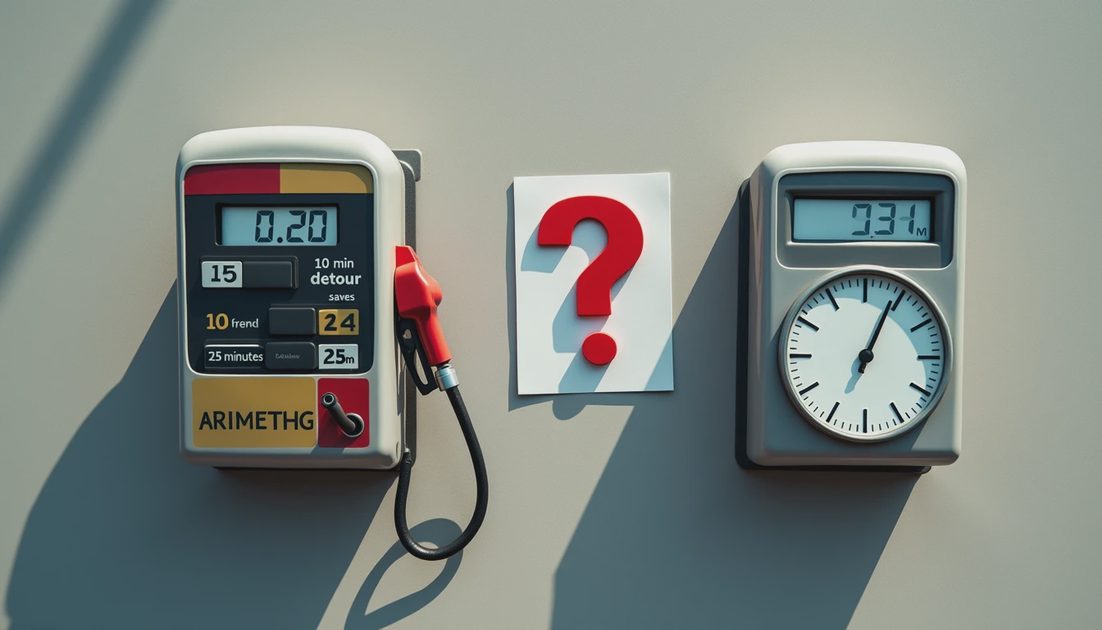
I see a lot of car advice that pretends inconvenience doesn't cost anything.
Buy the cheapest car you can find. Drive out of your way for cheaper gas. Spend hours hunting for a private sale to avoid dealer fees.
The numbers look good on paper. You saved money.
But you also added stress. Wasted time. Made your daily life harder.
Here is the question those plans never answer. Is the savings worth what you gave up?
The Time You Don't Count
Time is not free.
You might not bill by the hour. But your time still has value. The hours you spend chasing a better deal are hours you are not doing something else.
A friend of mine spent six weekends looking for a private sale on a used car. Drove to see eight different cars. Had two deals fall through after inspections. Finally bought one.
He saved about $1,200 compared to buying from a dealer.
But he spent roughly 40 hours on the process. That is $30 per hour for his time. And he was stressed the whole time.
Was that worth it? For him, yes. He had the time and the patience. For many people, no.
The advice that says "just buy private" assumes your time is worth nothing. It is not.
The Gas Station Detour
Every city has a gas station with cheaper prices. Sometimes twenty cents less per gallon. Sometimes more.
Driving ten minutes out of your way to save three dollars on a fill-up is not saving. It is trading time for money at a terrible rate.
Ten minutes each way is twenty minutes. Add five minutes to wait for the pump if the station is busy. You are at twenty-five minutes to save three dollars.
That is $7.20 per hour. Less than minimum wage.
Do this once a week for a year. That is over twenty hours of your life to save about $150.
If you enjoy the hunt for cheap gas, fine. That is a hobby. But do not call it a money-saving strategy. The math does not work.
The Charging Scavenger Hunt
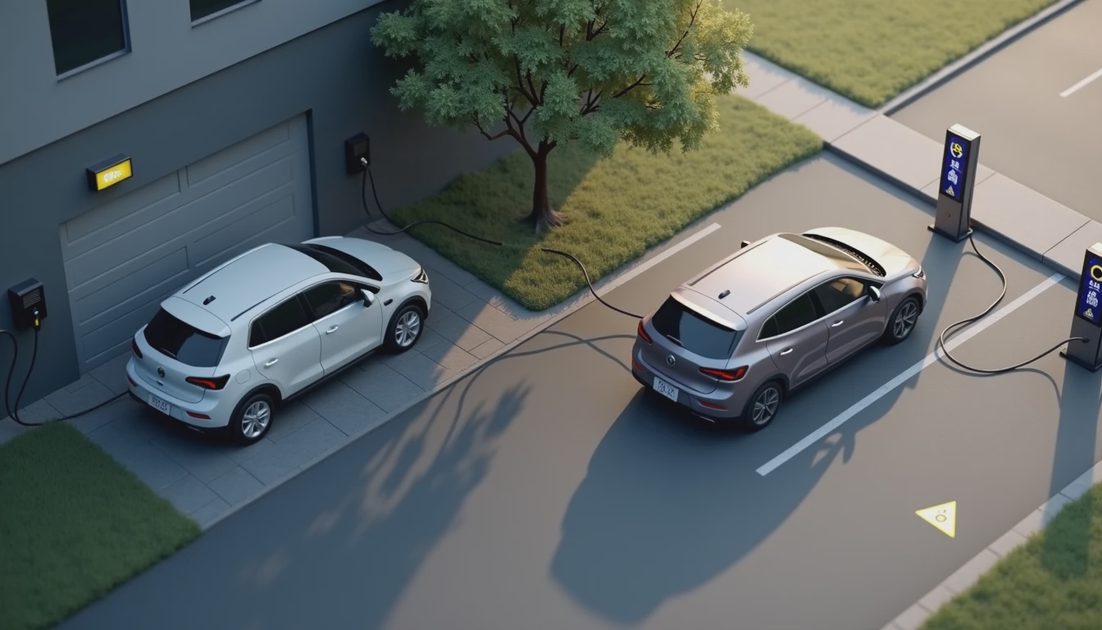
EV owners without home charging do this every week.
Find a public charger that is working. Drive there. Wait if it is occupied. Plug in. Wait twenty or thirty minutes for a charge. Drive home.
A full charge might save you $10 compared to gas for that week's driving. But you spent an hour of your time.
Ten dollars per hour. That is what you are paying yourself to manage your car's energy needs.
If you enjoy the process or have no alternative, that is one thing. But if you have home charging available and you skip it to save a few cents per kWh at a public station, you are working for less than minimum wage.
The Unreliable Car Tax
Buying a very cheap car often means buying an unreliable car.
You save money on the purchase. Then you spend time dealing with breakdowns. Waiting for tow trucks. Sitting in repair shops. Borrowing rides from friends.
One breakdown costs you hours. Maybe a whole day. Maybe multiple days if parts are hard to find.
If that happens twice a year, you have lost a full week of your life to car trouble.
Was the savings worth it? Only if you value your time at nothing.
I am not saying every cheap car is unreliable. I am saying the math on very cheap cars often ignores the time cost of dealing with problems.
The Stress Surcharge
Some money-saving car plans create stress.
Worrying about whether your old car will start on a cold morning. Checking the temperature gauge constantly on long drives. Planning your routes around hills because the transmission slips.
That stress has a cost. You might not put it on a spreadsheet. But it affects your sleep, your mood, your patience with other people.
I have owned cars that stressed me out. I do not miss them. The money I saved was not worth the knot in my stomach every time I turned the key.
The Real Question
Before you follow any money-saving car advice, ask this.
How much harder does this make my life?
If the answer is "not much," the savings are probably worth it.
If the answer is "significantly harder," the savings need to be large to justify the trade.
Driving a reliable but boring car saves you money without making life harder. You just drive a boring car. That is fine.
Driving a ten-year-old luxury car that breaks twice a year saves you money on purchase price but costs you time and stress. That is a worse trade.
Charging at home for a few cents more per kWh saves you time and stress. The small extra cost is worth it for most people.
A Better Way To Think About It
I put a dollar value on my time. Not because I bill hourly. Because I need to know whether a savings strategy is actually worth it.
I use $25 per hour for my personal time. That is roughly what my time is worth if I were working overtime. It is a conservative number.
When I consider a money-saving plan, I estimate how many hours it will cost me. Multiply by $25. Add that to the cost of the plan.
If the plan still saves money, I consider it. If the savings disappear, I skip it.
This filter kills a lot of bad advice.
What This Means For Car Buying
The cheapest car is not always the best value. A car that costs a few thousand more but saves you from breakdowns and repair shop visits is often cheaper when you count your time.
A dealer purchase with a warranty might cost more than a private sale. But if it saves you ten hours of searching and eliminates the risk of buying a hidden problem car, the dealer premium might be worth it.
Home charging costs more per kWh than hunting for free public chargers. But if it saves you an hour per week, that is $1,200 per year worth of your time. Pay the extra few cents.