
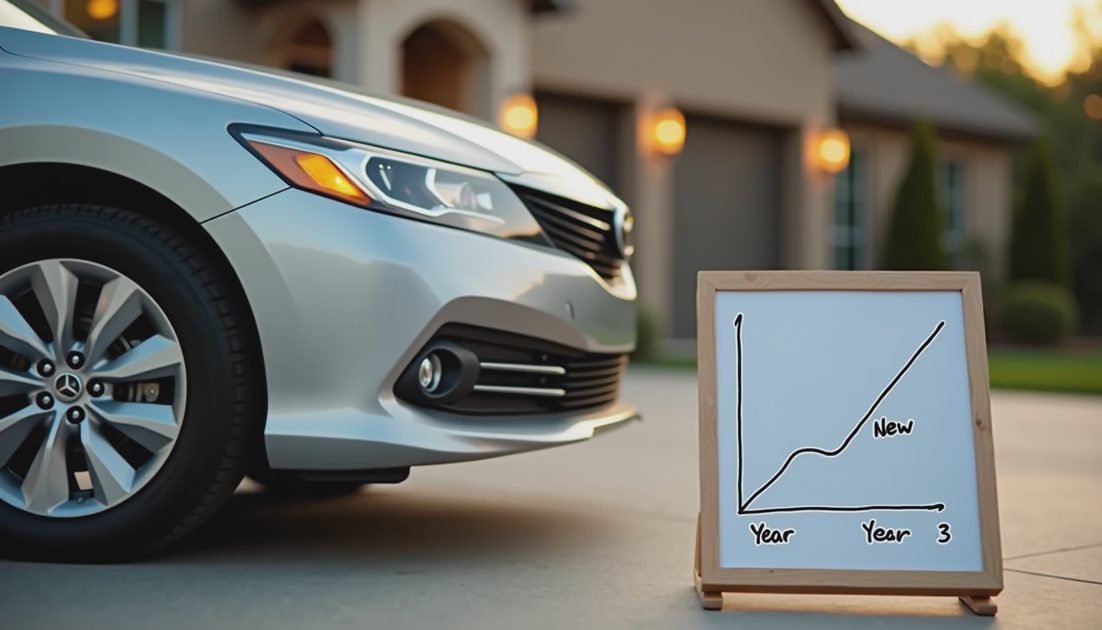
The used car market in 2026 is not the same market from three years ago.
Supply is tighter. Prices are more stable. And the old rules about when to buy have shifted.
I have been watching the trends all year. Here is where the value actually lives right now.
The Three-Year Rule Has Changed
For years, conventional wisdom said buy at three years old. The first owner took the big depreciation hit. You got a nearly new car for a discount.
That rule still works. But the discount is smaller than it used to be.
The supply of three-year-old cars is thinner in 2026. Fewer cars were registered in 2022 and 2023. Those low registration years are now creating a hole in the market . Fewer cars available means prices stay higher.
Three-year-old cars are still good buys. They are just not the steal they were five years ago.
The New Sweet Spot: Four to Five Years
Here is where the math works best right now.
Four- and five-year-old cars are past the steepest depreciation. They still have plenty of life left. And the supply shortage that is pushing up prices on younger cars does not affect this age bracket as much.
Look at the numbers. A five-year-old vehicle in 2026 has lost about 40 to 45 percent of its original value on average . The first owner paid for most of the depreciation. You are buying the car during the flat part of the curve.
Some models do even better. Toyota trucks and SUVs lose value slowly. A five-year-old Tacoma or 4Runner still commands strong money because demand never drops . But even those hold value well enough that buying at five years leaves you little depreciation risk left.
The Exception: EVs at Two to Three Years
Electric vehicles are a different story.
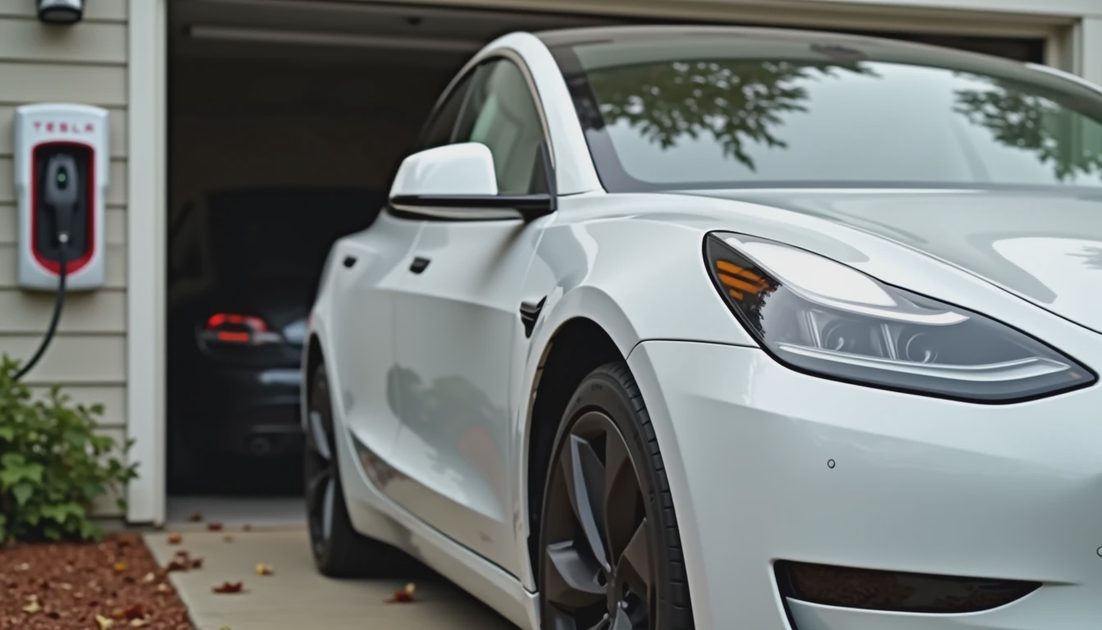
EVs depreciate faster than gas cars or hybrids. Much faster. Average five-year depreciation for EVs sits around 57 percent, compared to 35 percent for hybrids .
That is bad news for the original owner. It is good news for you.
A two- or three-year-old EV has already taken its biggest value hit. The battery is still under warranty. The car feels new. And the price is often thousands less than the same age gas vehicle.
I have been watching used EV prices in Indianapolis. The deals are real. If you have home charging and you want an EV, buy at two to three years old. Let someone else eat the depreciation.
The Age to Avoid: Seven Years and Older
Cars over seven years old look cheap. The price tag tempts you.
But in 2026, the value math on older cars is worse than it looks.
Supply of cars in the five- to ten-year range is tightening . That means even older cars are not as cheap as they should be. And maintenance costs on a seven-year-old car are higher than on a four-year-old car. Tires. Suspension. Belts. Hoses. The stuff that ages whether the car is driven or not.
I have run the numbers on several models. The savings from buying a seven-year-old car instead of a four-year-old car often disappear after one major repair. The four-year-old car costs more upfront but less over time.
The Brands That Hold Value
Kelley Blue Book releases resale value awards every year. The 2026 winners tell a clear story .
Toyota holds the top spot for mainstream brands. Lexus leads luxury. Honda is close behind.
Here are the category winners for 2026 that matter to normal buyers .
The pattern is simple. Japanese brands hold value. Trucks hold value. Everything else is a gamble.
If you buy a Civic or a Camry or a CR-V at four years old, you are buying a car that will still be worth something when you sell it. If you buy a luxury European sedan at the same age, you are buying a car that will lose value faster than you expect.
The 2026 Market Reality
Here is what is different about buying used cars right now.
Supply is structurally tight. The post-COVID production gaps are still working their way through the market . There are simply fewer three- and four-year-old cars available than there should be. That keeps prices higher than historical trends would suggest.
Hybrids are the safest bet. Used hybrid values have held firm. Fuel prices remain high enough that buyers want fuel efficiency. A four-year-old hybrid from Toyota or Honda is about as low-risk as a used car purchase gets .
EVs are a buyer's market. Supply of used EVs is growing faster than demand . That means prices are soft. If you want an EV, negotiate hard. Dealers want to move these cars.
My Recommendation for 2026
Here is where I would put my money right now.
First choice: A four- to five-year-old hybrid from Honda or Toyota. Civic Hybrid. Camry Hybrid. Corolla Hybrid. CR-V Hybrid. The depreciation curve is flat. Fuel cost is low. Maintenance is predictable. Resale value will be strong when you sell.
Second choice: A two- to three-year-old EV if you have home charging. The depreciation hit is already baked in. Just make sure the battery warranty transfers to you and check the state of health before you buy.
Third choice: A four- to five-year-old gas car from Honda, Toyota, or Mazda if hybrid prices are too high. The fuel cost will be higher. But the car will still be reliable and will still sell for something when you are done.
What I would avoid in 2026: Seven-year-old luxury cars. The purchase price is tempting. The maintenance bills are not. And anything with a salvage or rebuilt title. The market is too stable right now to take that risk.