
If you own a car, knowing how to check oil is one of the simplest things you can do to avoid thousands in repair bills. Oil is the lifeblood of your engine, and running low or dirty oil is a fast track to catastrophic damage. Yet most drivers don't do it. Why? Because nobody ever showed them. This guide fixes that.
Why Regular Oil Checks Save Money and Stress
I run numbers on everything. When I look at the cost of skipping an oil check, the math is brutal. Replacing a blown engine because it ran dry can cost $3,000 to $6,000 depending on your car. A quart of oil costs $5 to $10. Checking takes five minutes. That's a return on investment that would make any analyst smile. Beyond that catastrophic scenario, regular checks let you catch leaks early, monitor consumption, and know when an oil change is due. Think of it as a free diagnostic that tells you a lot about your engine's health.
Pro tip: if your oil level drops significantly between changes, you have a problem worth investigating. Some consumption is normal, especially in older cars. But a quart every 1,000 miles is a flag. More on that later.
Step-by-Step: How to Check Oil in Under Five Minutes
First, gather what you need: a rag or paper towel, your owner's manual (or a quick Google for your model), and about five minutes. Park on level ground. Turn off the engine and let it sit for at least ten minutes so the oil settles back into the pan. This gives you an accurate reading. If the engine is hot, the oil is still circulating and might show low on the dipstick.
Now locate the dipstick. It usually has a yellow or orange plastic loop or pull tab. Pull it out, wipe it clean with your rag, then reinsert it fully. Wait a second, then pull it out again and look at both sides to see where the oil film ends. There are two marks: typically a lower or ADD mark and an upper or FULL mark. The oil should be between them. If it's below the lower mark, you need to add oil. If it's above the upper mark, you have too much — which can also cause problems.
That's the basic check. It's literally that simple.
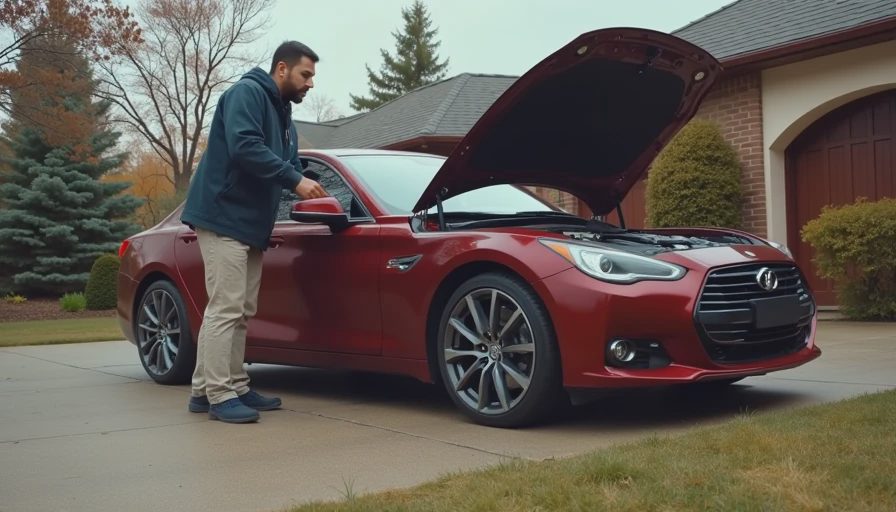
How to Check Oil Like a Pro: Interpreting the Reading
Now that you've got a reading, what does it tell you? The oil level should be between the two marks. If it's exactly at the full mark, you're good. If it's near the add mark, you need a quart. Don't let it go below the add mark; that's the danger zone.
While you're at it, look at the oil's condition. Fresh oil is amber and translucent. Old oil is dark and thick. If it looks like sludge or has a milky appearance, that means coolant is mixing with oil — a serious issue. If you see metal flakes, your engine is wearing internally. In both cases, see a mechanic.
After adding oil, run the engine for a minute, let it sit again, and recheck. Make sure you haven't overfilled.

What to Do If the Oil Level Is Low
If you find the level is below the add mark, add oil a little at a time. Use the type and viscosity recommended in your owner's manual. Pour in half a quart, wait a minute, then recheck. Repeat until the level is between the marks. Overfilling is just as bad as underfilling, so go slow.
If you have to add oil more than once between changes, you might have a leak or your engine is burning oil. Either way, keep a quart in your trunk and plan a visit to a mechanic to diagnose the issue. Ignoring it can lead to expensive repairs.
How Often Should You Check Oil?
Check your oil at least once a month. If you drive an older car or one known to burn oil, check every other fill-up. Many modern cars have electronic oil life monitors, but they only track usage, not leaks or sudden loss. A dipstick check gives you real data.
For long road trips, check before you go. Oil consumption can spike under sustained highway speeds. Arriving with low oil is a good way to ruin a vacation.
Common Mistakes to Avoid
- Checking on a slope or with the engine running. You'll get a false reading.
- Wiping the dipstick and not waiting before reinserting. The oil needs a moment to spread.
- Overfilling. Too much oil can froth and starve the engine of lubrication.
- Mistaking the dipstick for another underhood component. It's always a looped tab near the front of the engine. When in doubt, check your manual.
Final Thought
Knowing how to check oil takes five minutes and costs nothing. It's the cheapest insurance against engine failure you'll ever use. Make it a habit, and your wallet will thank you. If the numbers don't work, the car doesn't work — but this is one number that always does.