

If you own a General Motors vehicle from the last decade, you might have heard rumblings about a **GM class action engine defect** that’s been making its way through courts. This isn’t just legal noise—it’s a real problem that has left thousands of drivers staring at hefty repair bills for engines that shouldn’t have failed. Whether you’re sitting on a potential claim or just trying to figure out whether your truck is worth keeping, here’s what the numbers actually say.
What Is the GM Class Action Engine Defect?
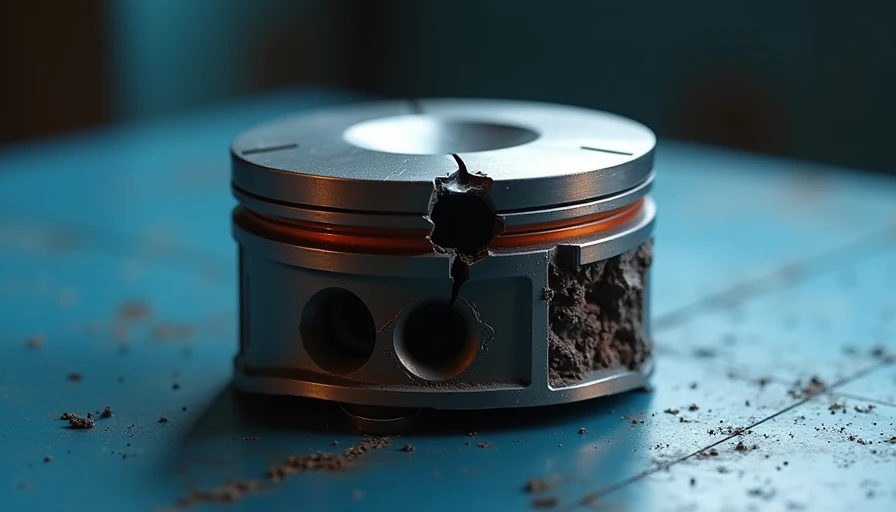
The core issue revolves around a design flaw in certain GM engines—specifically the 5.3L and 6.2L V8s found in many Chevrolet, GMC, and Cadillac trucks and SUVs. Owners have reported excessive oil consumption, premature cylinder deactivation system failure, and even complete engine seizure. The **GM class action engine defect** lawsuit alleges that GM knew about these problems but didn’t warn buyers. In plain English: you could be driving a ticking time bomb that might cost you thousands to fix.
GM has issued technical service bulletins (TSBs) acknowledging some symptoms, but they haven’t issued a full recall. That’s why the class action exists—to force GM to cover repair costs that should have been warranty work from the start.
Which GM Engines Are Affected?
The lawsuit primarily targets the L83 (5.3L) and L86 (6.2L) EcoTec3 engines, as well as the newer L84 (5.3L) and L87 (6.2L) engines with Dynamic Fuel Management. These power some of the most popular models on the road:
- Chevrolet Silverado 1500 (2014–2023)
- GMC Sierra 1500 (2014–2023)
- Chevrolet Tahoe/Suburban (2015–2023)
- GMC Yukon/Yukon XL (2015–2023)
- Cadillac Escalade (2015–2023)
If you own one of these, you’re not just worried about a rough idle—you’re looking at potential repair bills that can easily reach $5,000 to $8,000 for a new engine. And that’s if you catch it before the engine seizes completely.
Repair Costs and What Owners Are Facing
I’ve seen forum threads where owners report oil consumption of one quart every 500 miles. That’s not a leak; that’s a design flaw. The fix often involves replacing the entire engine, because the cylinder deactivation lifters collapse and take the camshaft with them. At a dealership, expect a quote around $6,000–$8,000. Independent shops might do it for $4,000–$5,000, but you’re still out of pocket for a repair that shouldn’t be your responsibility.
The **GM class action engine defect** claims that this is a manufacturing defect, not normal wear. If you’ve already paid for repairs, you might be able to recover those costs through the settlement. If your engine hasn’t failed yet, you’ve got time—but don’t wait until you’re stranded on the shoulder.
What Has GM Done About the Defect?
So far, GM has issued several TSBs (like #PIP5623B) that advise dealers to perform oil consumption tests, but they stop short of offering free repairs outside of the original powertrain warranty. Some owners have gotten goodwill repairs if they’re under 100,000 miles, but it’s inconsistent. The class action argues that the defect is inherent and should be covered regardless of mileage. No official recall has been announced, so the lawsuit is your best shot at compensation.
Your Legal Options: How to Join the Class Action
If you own or lease one of the affected vehicles, you can file a claim without hiring a lawyer. The lawsuit is consolidated in federal court under case number 2:22-cv-00475, and a settlement structure is likely. Here’s what to do:
- **Check your VIN** against the official list of affected models (available on the class action website or through services like CarComplaints).
- **Gather your service records**—oil changes, repair invoices, any complaints you’ve made to the dealer.
- **File your claim** before the deadline (typically 30-60 days after settlement approval).
- **Consider an extended warranty** if you’re still under the original powertrain coverage—some owners have had engines replaced for free.
Don’t expect a life-changing payout. Class action settlements typically pay a fraction of repair costs after legal fees. But even $1,000–$2,000 back on a $7,000 repair is better than nothing.

Should You Fix It or Sell It?
Here’s where the math gets real. If your vehicle has high mileage (over 100k) and the repair costs more than the car is worth, you might be better off selling it as-is and cutting your losses. But if you’re still making payments or the truck is worth $20k+, spending $6k to fix it and keep it running for another 100k miles usually pencils out.
Just don’t ignore the problem. Driving with excessive oil consumption can damage the catalytic converter—another $2,000 repair. And if the engine seizes, you’re looking at a total loss. The **GM class action engine defect** isn’t going away, but you can take steps now to protect your investment.
Preventive Steps You Can Take
If your engine hasn’t failed yet, you can delay or prevent the failure:
- Use full synthetic oil and change it every 5,000 miles instead of the recommended 7,500.
- Install an oil catch can to reduce carbon buildup on valves.
- Disable Dynamic Fuel Management (DFM) with a tuner—many owners report fewer lifter failures after disabling it.
These aren’t permanent fixes, but they can buy you time while the class action plays out.
Bottom Line
The **GM class action engine defect** lawsuit is a reminder that even the biggest automakers can build a lemon. If you own one of the affected engines, your best move is to gather documentation, check your eligibility, and decide whether to fix or sell based on hard numbers—not emotional attachment. If the numbers don’t work, the car doesn’t work.