If you’ve been browsing used car listings and stumbled across a Subaru Brat for sale, you already know it’s not your average old car. With its stubby bed, four-wheel drive, and those iconic rear-facing jump seats, the Subaru Brat is one of the most quirky vehicles Subaru ever built. But here’s the question I keep hearing from friends and readers: is a Subaru Brat actually worth buying in 2025? Not as a collector trophy, but as a practical second car or weekend toy?
I get the appeal. The Brat is small, light, and weird in a way that modern cars just aren’t. It has a loyal fan base, and prices on clean examples have climbed over the past decade. But before you romanticize owning one, let’s run the numbers. I’ll walk through what a Subaru Brat really costs to buy, maintain, insure, and own — and then you can decide if the nostalgia is worth the price tag.
The Subaru Brat's Unique Design and History
The Subaru Brat (short for Bi-drive Recreational All-terrain Transporter) launched in 1978 and ran through 1987. It was based on the Subaru Leone platform, shared its boxer engine, and came with part-time four-wheel drive — a rarity in small pickups at the time. The most famous feature? Two rear-facing jump seats in the bed, complete with shoulder belts and a roll bar. That setup let Subaru classify it as a passenger car in the U.S., avoiding a 25% tariff on light trucks.
Later models got a more conventional bed and eventually lost the jump seats due to safety concerns. But the early 1980s Brats — especially the ones with the seats — are the ones collectors chase today. Expect to pay anywhere from $8,000 for a rough runner to $25,000+ for a clean, low-mileage example. That’s a lot for a 40-year-old subcompact pickup with about 70 horsepower.
Subaru Brat Maintenance and Parts Availability
Here’s where the Subaru Brat gets tricky. Subaru did not sell the Brat in huge numbers — fewer than 100,000 total in the U.S. — so aftermarket parts support is limited. Mechanical parts like brakes, suspension bushings, and engine gaskets are often shared with the Subaru Leone or later Subaru models. You can still get some items new from Subaru, but many parts are discontinued. You’ll rely on junkyards, NOS (new old stock) sellers, and online forums.
The EA71 or EA81 boxer engines are generally reliable if they haven’t overheated, but the timing belts, head gaskets, and carburetors need attention. The four-wheel drive system uses a manual shift lever, and those transfer cases can leak after years of sitting. Expect to spend $500–$1,500 annually on maintenance for a driver-quality Brat, and more if you need body panels or interior parts. Rust is a major issue, especially in the bed and rear wheel arches — so factor in panel replacement costs if you’re looking at a rust belt car.
Subaru Brat Insurance and Ownership Costs
Because the Brat is a classic, insurance is actually reasonable — assuming you get a specialty insurer like Hagerty or Grundy. Agreed-value policies for a $15,000 Brat can run $300–$600 per year. But if you try to insure it as a daily driver with a standard carrier, rates can be higher because they see it as an older, less safe vehicle. Yes, the Subaru Brat has seatbelts and a front crumple zone, but modern safety is leagues ahead. No airbags, no ABS, no traction control.
Fuel economy is mediocre for its size — about 20–25 mpg on a good day from the 1.8L engine. That’s worse than a new Subaru Impreza. And while the Brat is fun, it’s not a highway cruiser. It’s loud, underpowered, and short-wheelbase. You’ll feel every bump.
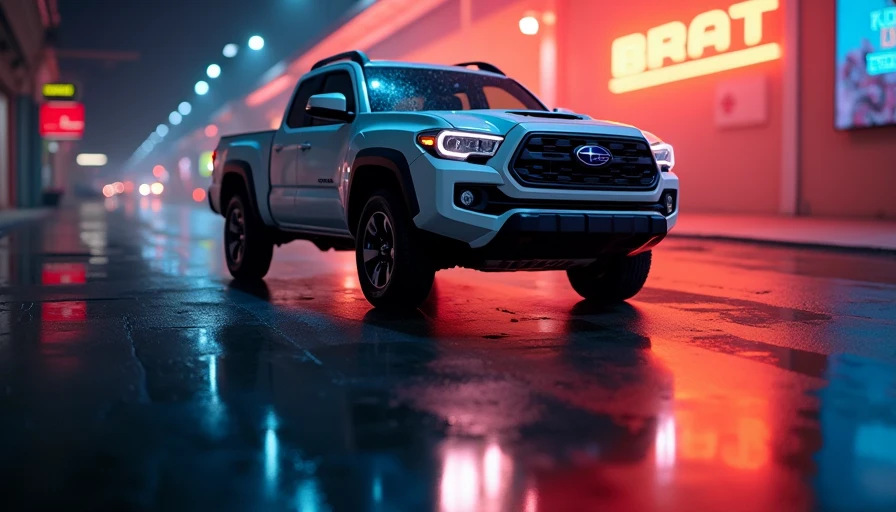
Is a Subaru Brat a Good Investment?
Here’s the honest answer from a numbers standpoint: a Subaru Brat can be a good investment if you buy well and store it, but it’s a terrible daily driver for most people. Prices have risen, but not at Ferrari rates. A $15,000 Brat might be worth $20,000 in five years — that’s about 6% annual appreciation, not including maintenance and storage. If you enjoy working on old cars and don’t mind the limitations, the Brat is a unique vehicle that will only get rarer. But if you’re looking for a cheap, practical classic, a Miata or a small truck from the 1990s makes way more sense.
Before you buy, check for rust, especially in the bed and under the rear seats. Verify that the engine runs well cold, and that the four-wheel drive engages smoothly. Get a compression test. And be prepared to join the Subaru Brat community forums — they’re your best resource for parts and advice.
Final Verdict: Who Should Buy a Subaru Brat?
If the numbers don’t work, the car doesn’t work. The Subaru Brat only makes sense if you’re buying it as a toy, not a tool. It’s not a work truck, not a highway hauler, and not a safe family vehicle. It’s a conversation piece on wheels. For that role, it’s genuinely special. But if you need a dependable used car for under $10,000, go buy a used Corolla or a Honda Fit. The Brat is for the person who already has a reliable daily and wants something weird to enjoy on weekends.
Check the numbers, check the rust, and if the purchase price plus ongoing costs fit your budget without causing regret, go ahead. Just don’t expect the Subaru Brat to be anything other than what it is: a fun, flawed, four-wheeled oddball that will always be more interesting than sensible.